Older Homes & Real Pipe Problems
Plumbing for Historic & Older Homes in Washington, DC
Older homes in DC are beautiful. They're also full of galvanized pipes, lead lines, cast-iron drains, and decades of patchwork repairs. I've been doing this work for six years in Northwest DC and the surrounding neighborhoods, and I know what's behind those walls. I'm licensed in DC, bonded, and insured, and I've done over a thousand jobs in this area.
The Real Problem
What Makes Older Homes Different
A house built in the 1920s, 1940s, or even 1970s was plumbed with materials that have a lifespan. That lifespan is often up. Galvanized steel pipes corrode from the inside out. You won't see it until water pressure drops or a pipe fails. Lead service lines are still present in many DC homes, and they're a health issue, not just a plumbing issue. Cast-iron drains crack and collapse. Older solder joints fail. None of this is a surprise to me.
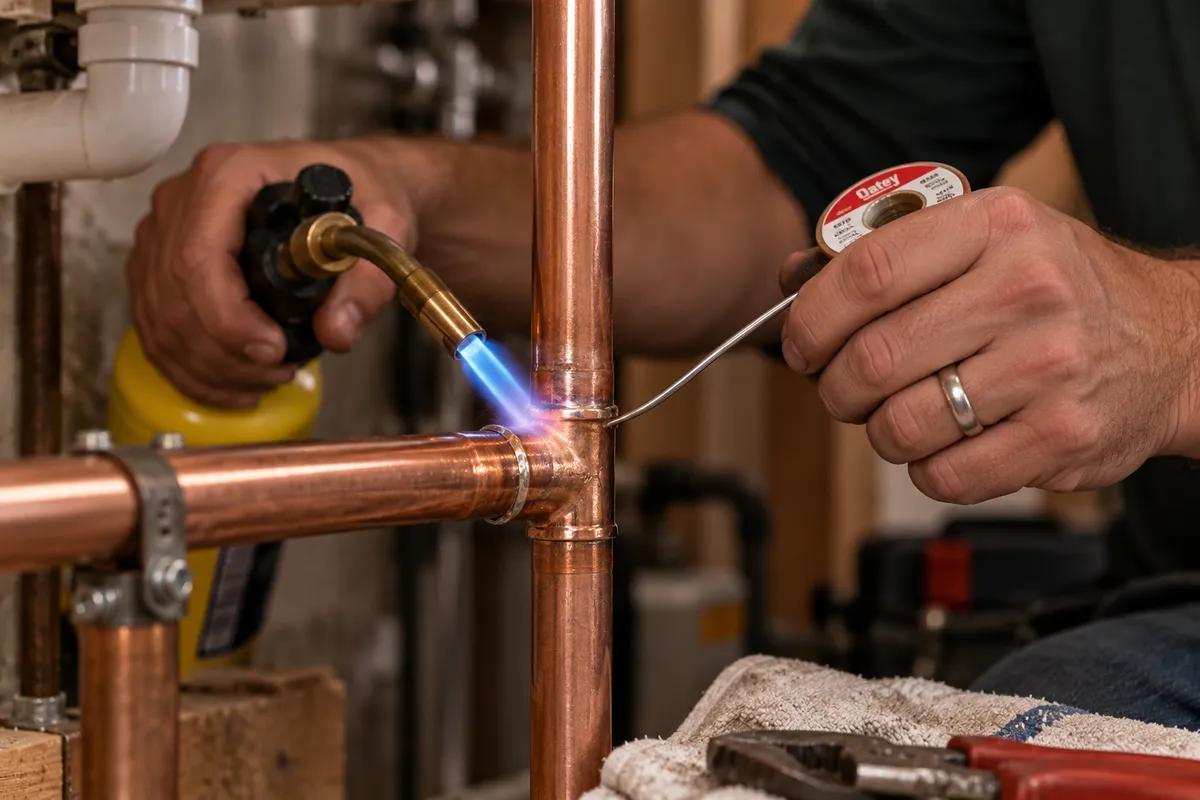

Galvanized Pipes
Galvanized pipes were standard in DC homes built before the 1960s. The problem is that they rust from the inside. Over time, the buildup restricts flow until you're getting a trickle at the tap. By the time pressure drops noticeably, the pipe is usually far gone. I replace galvanized supply lines with copper or PEX, depending on the situation. I'll tell you what I find and what actually needs replacing. I won't push a full repipe if a targeted replacement fixes the problem.

Lead Service Lines
If your home was built before 1986, there's a real chance your service line from the street is lead. DC Water has been replacing the public-side portion for years, but the private side, from the property line to your home, is your responsibility. I can inspect what you have, explain your options clearly, and handle the replacement if that's the right call. This is work that requires a licensed plumber. I'm licensed in DC and have done this work in homes across the city.
Cast-Iron Drains & Sewer Lines
Cast iron holds up for a long time, but it doesn't last forever. Older cast-iron drains develop cracks, root intrusion, and sections that have simply collapsed. If you're dealing with slow drains throughout the house, backups, or water in the basement, the cast-iron drain system is often the reason. I use a sewer camera to show you exactly what's happening before I recommend any repair. You'll see the footage yourself. No guessing, no inflated diagnosis.
Patchwork Plumbing & Mixed Materials
A lot of older DC homes have been worked on by a dozen different plumbers over the decades. What you end up with is a mix of galvanized, copper, PVC, and sometimes materials that shouldn't be connected to each other at all. I sort it out. I trace what's there, figure out what's causing the problem, and fix it correctly instead of adding another layer of patches.
Like what you see? Call or text Mike.
(202) 555-0147Common Questions
What Homeowners Ask Me
These come up on almost every older home job I do.
How do I know if I have galvanized pipes?
The easiest way is to look at exposed pipes in the basement or under a sink. Galvanized steel is dull gray and will often show surface rust or white mineral buildup at the joints. Copper looks orange or brown and is smooth. If you're not sure, I can take a look. Low water pressure throughout the house, especially on upper floors, is a common sign that galvanized pipes are restricting flow.
Do I need to replace all the pipes at once?
Not always. It depends on how far gone the pipes are and where the problems are concentrated. Sometimes a targeted replacement of the worst sections buys years of good service. Sometimes the whole system is at the end of its life and doing it in pieces costs more in the long run. I'll give you an honest read on what I find. I'm not going to push a full repipe if it's not what the situation calls for.
Is my high water bill a leak or a lead line issue?
A high water bill usually points to a leak, not a lead line. Lead lines don't cause water loss on their own. If your bill spiked, I'd start by checking for a running toilet, a leaking supply line, or an underground leak between the meter and the house. I do leak detection and can help you figure out whether it's your plumbing or something DC Water needs to address on their end.
Will fixing old plumbing in a historic home cause damage to the walls or floors?
Sometimes access is required, yes. But I try to be surgical about it. I've worked in enough older DC homes to know how to get to what I need without tearing out more than necessary. I'll always tell you upfront what access will be needed before I start cutting anything.
Like what you see? Call or text Mike.
(202) 555-0147Get in Touch